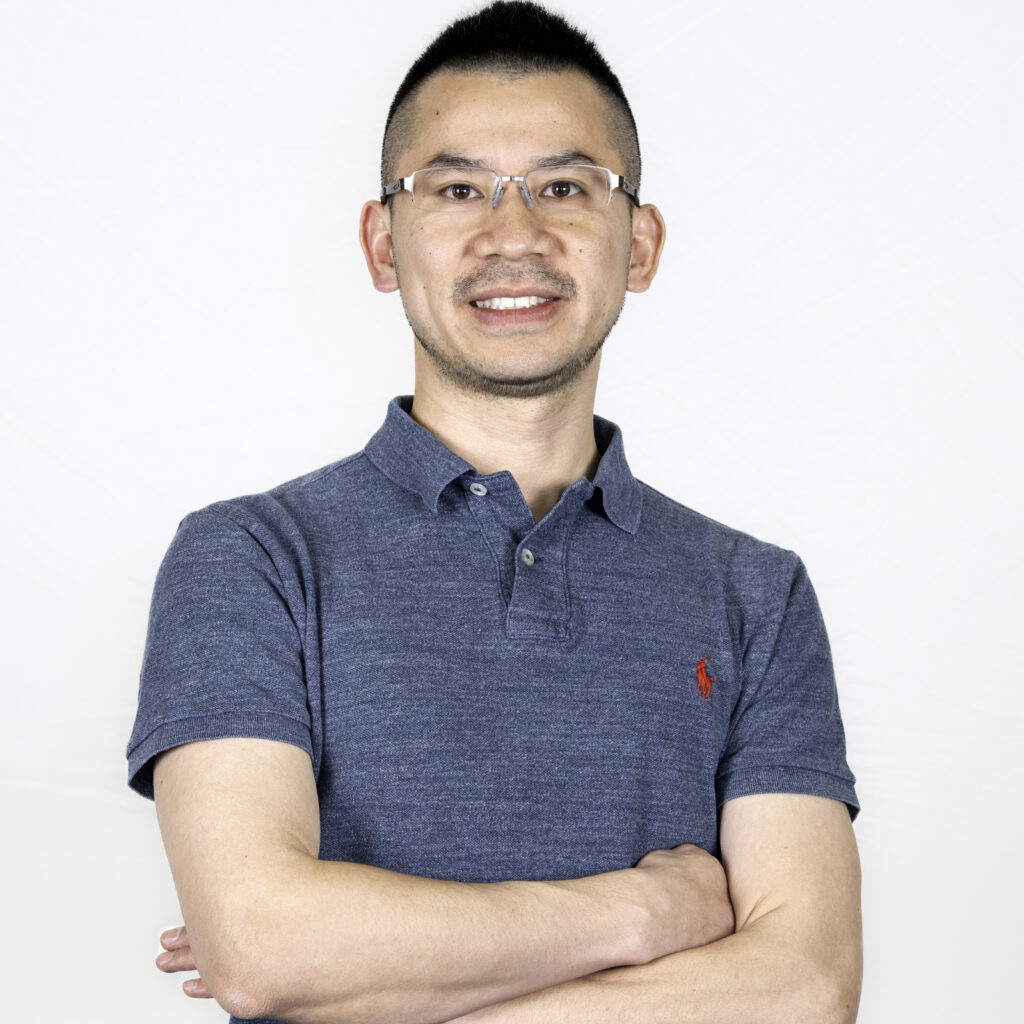
Yu-Chieh David Chen, Ph.D.
2025. 8- Present Assistant Professor, Department of Biology, Temple University
2020.1 –2025.7 Postdoctoral associate, New York University, Department of Biology; Supervisor: Dr. Claude Desplan
2019.9 – 2019.12 Postdoctoral scholar, University of California, Riverside, Department of Molecular, Cell and Systems Biology; Supervisor: Dr. Anupama Dahanukar
2013.9 – 2019.9 (Ph.D. program completed: 2019.08.22); Ph.D., University of California, Riverside, Neuroscience; Supervisor: Dr. Anupama Dahanukar; Thesis: Pharyngeal Taste in Drosophila – From Periphery to Brain [Link] [pdf]
2010.9 – 2012.1 M.Sc., National Taiwan University (NTU), Molecular and Cellular Biology; Supervisor: Dr. Chih-Tien Wang; Thesis: The spatiotemporal expression patterns of synaptotagmin isoforms in the developing rat retina [Link]
2006.9 – 2010.6 B.Sc., National Taiwan University, Life Sciences and Entomology (Double major)
Current Lab Members
- Jimmy Kelly (Lab manager)
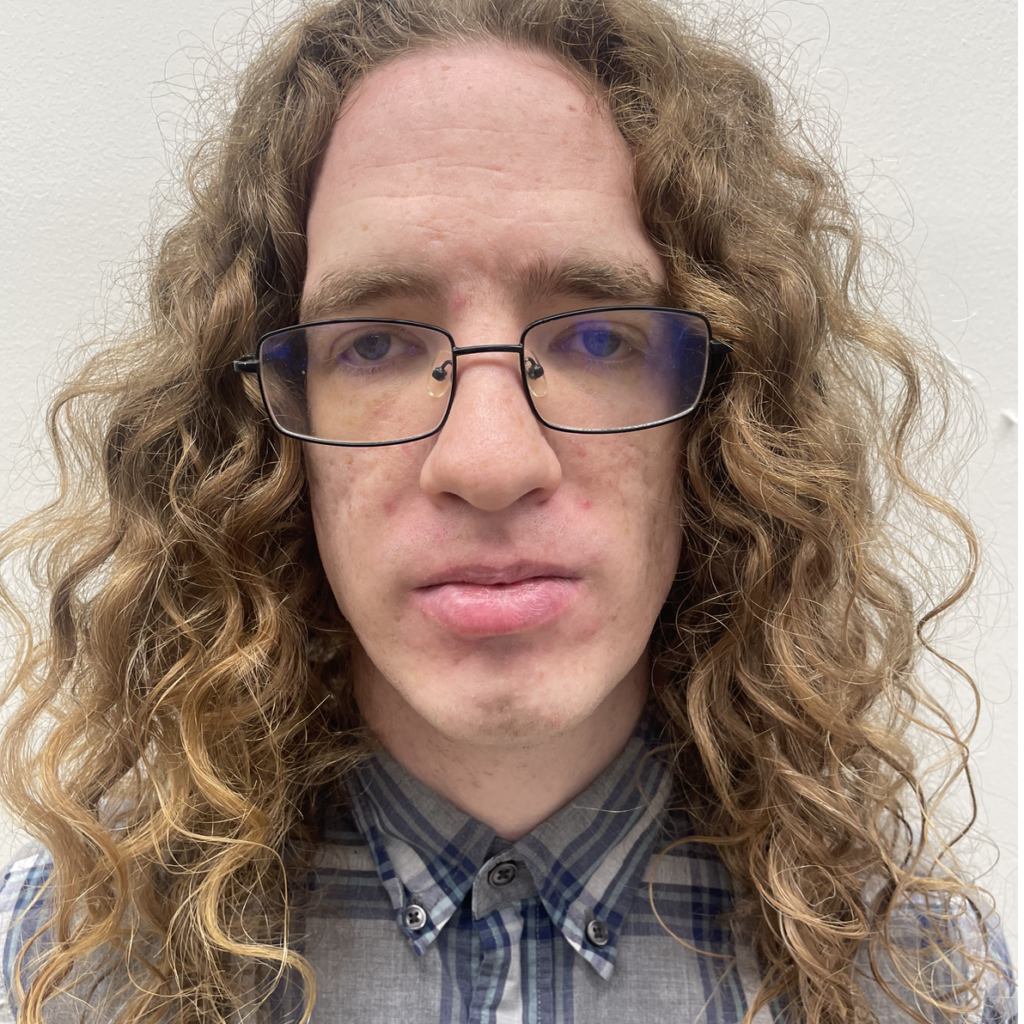
My name is Jimmy, and I’m the lab manager in the Chen lab. I completed my Bachelor of Science at the University of Oregon, where I worked in Chris Doe’s lab and was introduced to Drosophila research and developmental neurobiology. I then moved to Paul Brehm’s lab at the Vollum Institute, where I studied the molecular basis of differing synaptic properties between Primary and Secondary motor neurons in zebrafish using Single-cell RNA sequencing. After seven years of working with zebrafish, I’m excited to get back to working with flies and their short generation times. I’m interested in ways of leveraging transcriptomic datasets to generate new insights into biological systems. Additionally, I’m excited by the opportunity to pay forward the tremendous mentorship and opportunity I received as an undergraduate to new generations of undergraduate scientists.
- Ariel Kuan (Assistant Professor of Research)
- Erin Kanwal (Undergraduate Researcher)
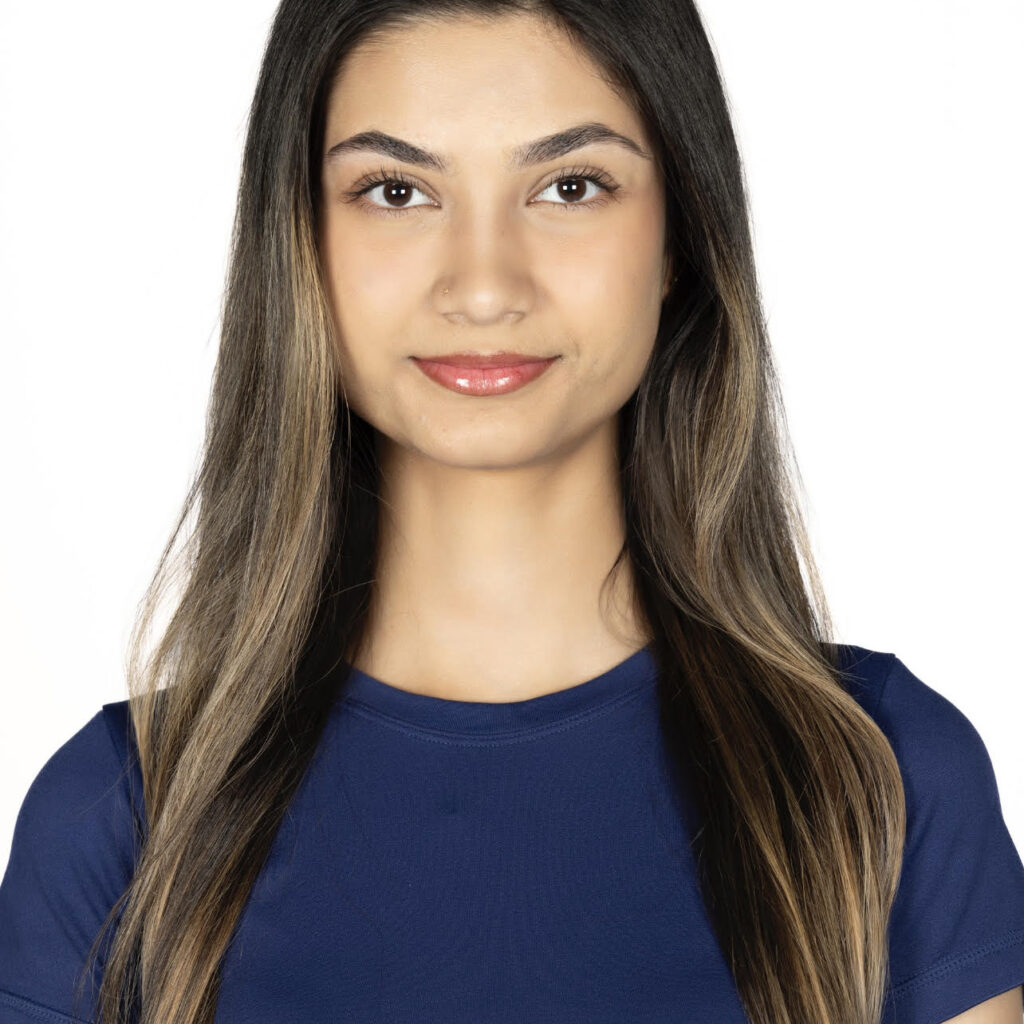
Bio: My name is Erin Kanwal, and I am a junior Biology major at Temple University. I serve as a Research Assistant in Dr. Chen’s Lab, studying how developing neurons establish synaptic connections, using Drosophila as a model system. This experience allows me to strengthen my understanding of neurobiology and develop valuable research skills. Beyond the lab, I serve as a Peer Leader for the College of Science and Technology, supporting students in their academic and professional growth. My future goals include pursuing a medical sciences career that integrates clinical practice and research.
- Aviv Tumbleson (Undergraduate Researcher)
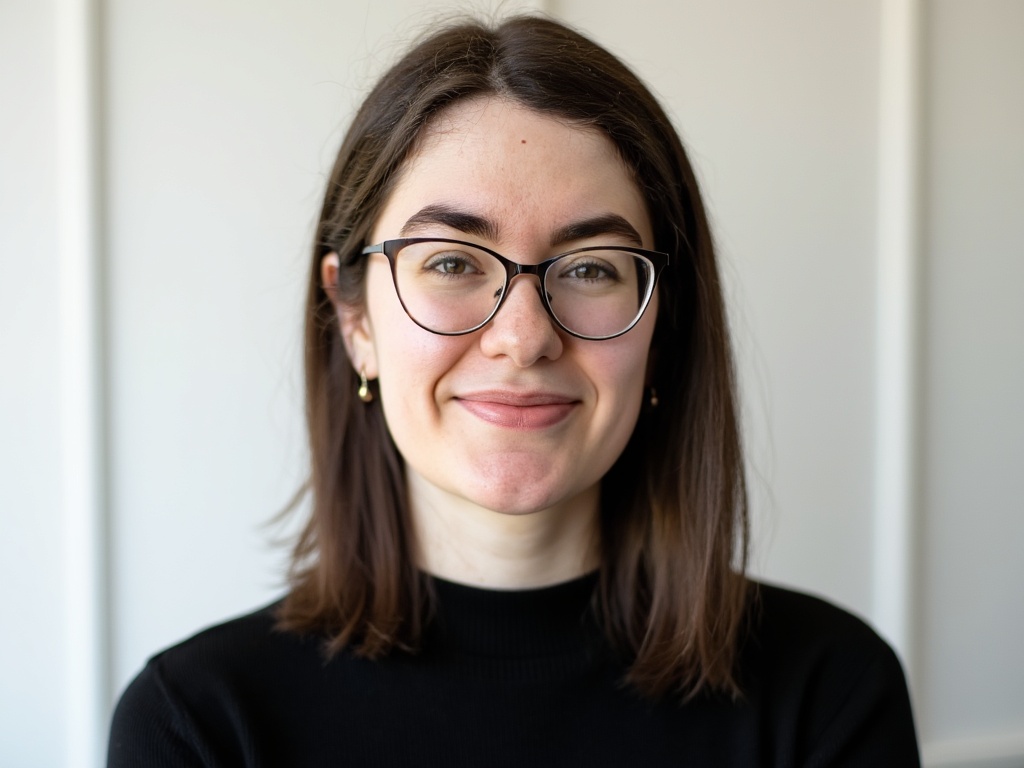
Bio: My name is Aviv Tumbleson. I graduated from Kutztown University in 2022 with a B.S. in Library Science and a minor in History. After having the incredible opportunity to gain more clinical experience, study internationally, and engage in in-depth discussions with my mentors in the field, I happily made the decision to pursue a career change toward medicine here at Temple University.
In addition to being a full-time student, I also work as the Executive Assistant to the Director of PR & Media at Chabad.org. My work there includes leading a product development team to create fundraising materials for international nonprofits, coordinating international and domestic film shoots for commercial and internal use, and organizing large annual events for New York journalists and thought leaders.
I have the privilege of serving as a Research Assistant under Dr. Chen in his developmental neurobiology lab. The focus of the lab is applying the split-GAL4 system in Drosophila to map optic neuronal cell types, with the aim of developing high-precision tools for future genetic research.
- Anastacia Orekhova (Undergraduate Researcher)
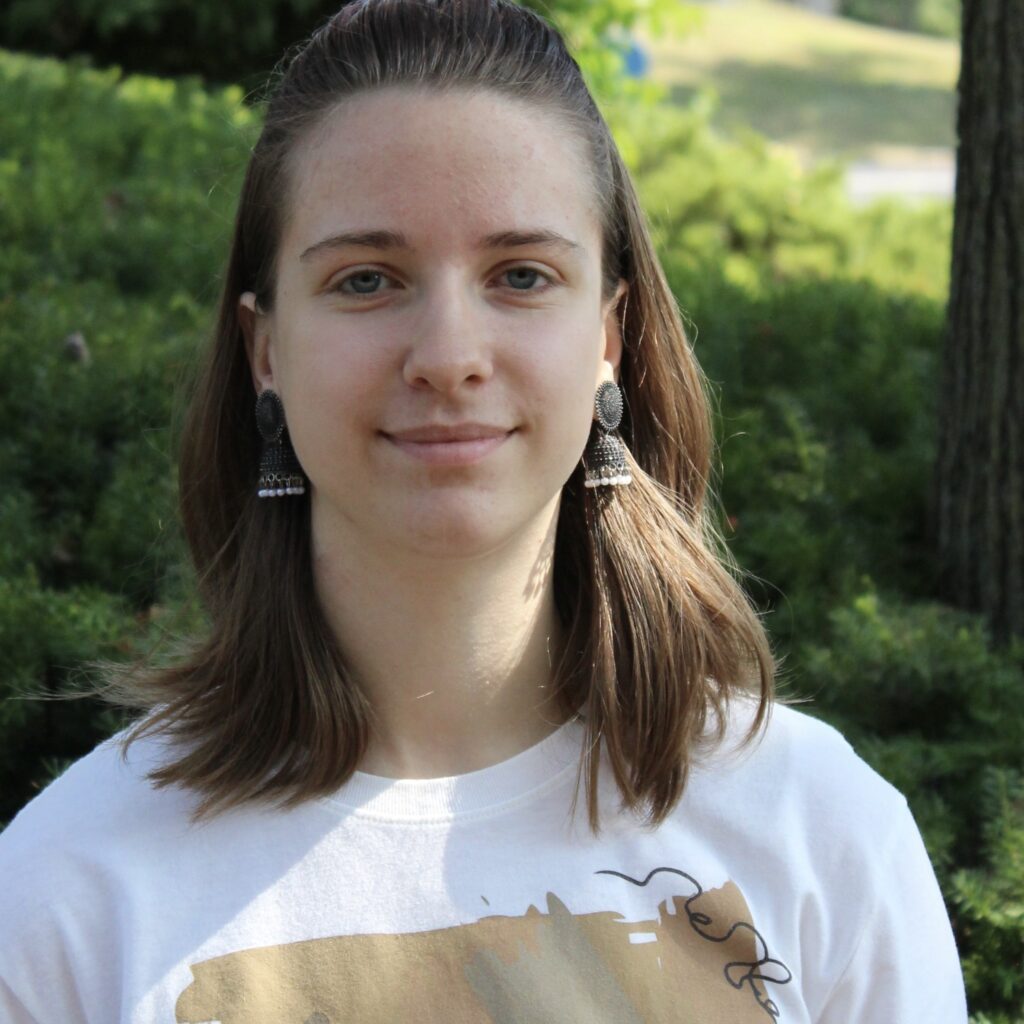
Bio: My name is Anastacia, I’m a junior undergraduate neuroscience student at Temple’s College of Science and Technology. My scientific journey started from applying to Delaware County Community College as a Science for Health Professions major. Prior to that, I struggled with choosing a major for myself. I never took AP science classes in high school and did one year of college as an English major in my home country, Belarus. Despite that, I’ve always been fascinated by science since I was a kid, especially psychology. I didn’t just want to study behavior, my main field of interest was deeper than that. I realized that I want to study cellular and molecular processes in the brain that are responsible for this behavior – that’s how I discovered neuroscience. I started from taking my first basic biology and chemistry classes at my community college and eventually transferred to Temple University to keep working towards my Bachelor’s degree in Neuroscience. In addition, I recently became interested in genetics and I’m currently planning to pursue a Master’s degree in a field related to it.
Meeting with Dr Chen and discovering his lab happened to be an enormously great opportunity to start Undergraduate Research. He is a very dedicated and passionate about the subject, and he is willing to provide a comfortable environment for those who seek research experience. I’m looking forward to working with Dr Chen and bettering my understanding of what real research looks like
- Armaan Khinda (Undergraduate Researcher)
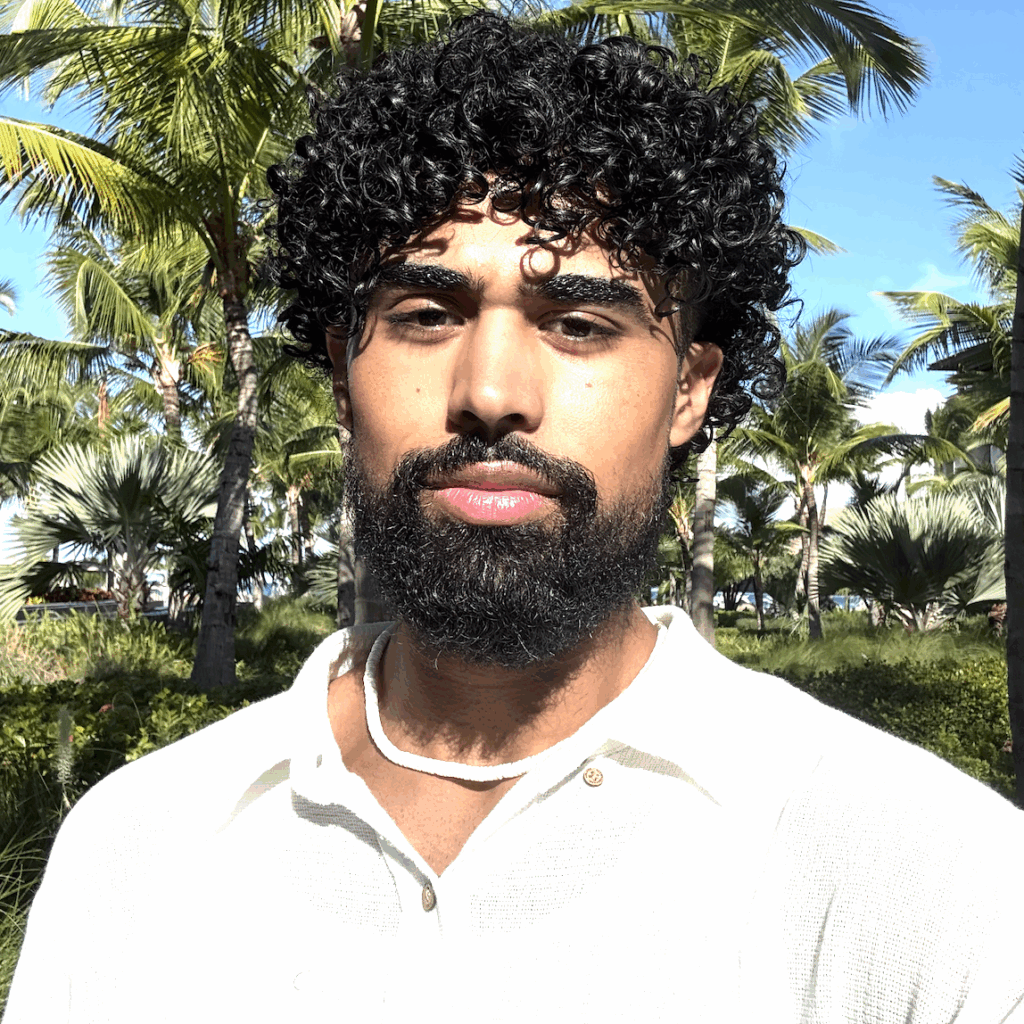
My name is Armaan Khinda. I am a sophomore undergraduate student at Temple University. I’m majoring in biology and have joined Dr. Chen’s lab to expand my knowledge of research and to gain experience in the lab. I plan on going to medical school or further professional schooling and maybe start my own lab eventually.
- Nahiyan Sattar (Undergraduate Researcher)
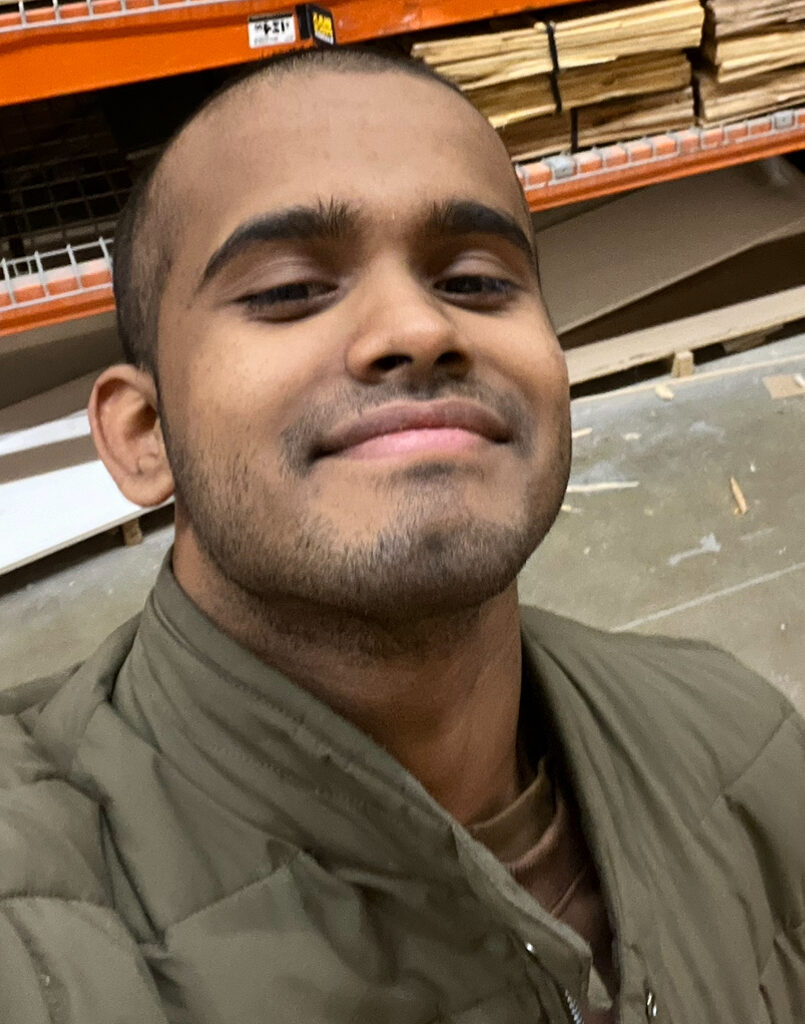
I’m Nahiyan Sattar! A Junior Premed CST-neuroscience student at Temple University. I joined Dr. Chen’s lab to broaden my apprehension of the scientific world and see what it’s like to work in an actual lab. As of now, I am a mere student, immature in academia, still treading water just beyond the classroom.
My fascination for neuroscience began when I started to work as a DSP (Direct Support Professional) for people with Autism. Each individual I worked with had unique strengths and challenges; some had extraordinary talents, while others faced sensory issues, causing everyday environments to be overwhelming. Throughout these personal experiences, I realized how some of these questions can’t be answered through mere observations, which is what ultimately ignited my interest in wanting to contribute to Neuroscience research and deepen my understanding of neuronal development.
- Riya Varghese (Undergraduate Researcher)
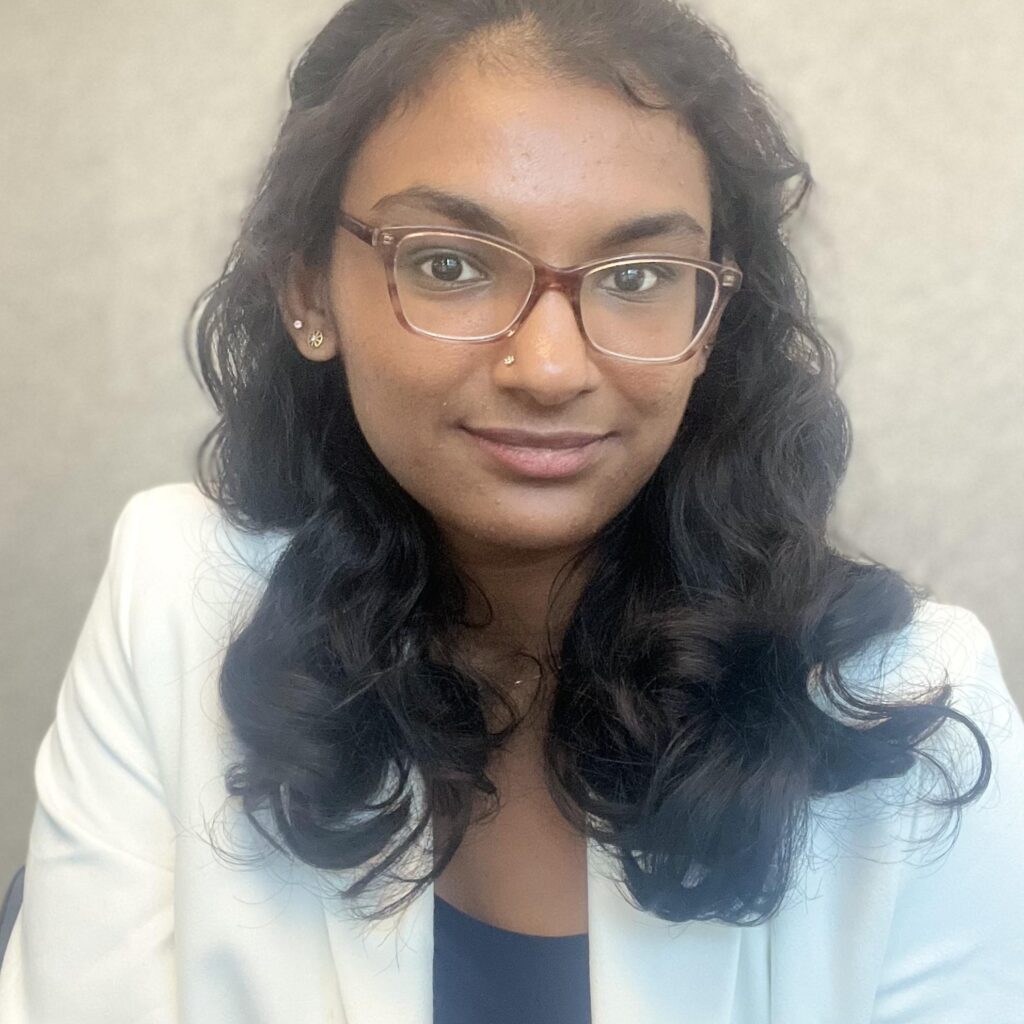
My name is Riya Varghese, and I am a Neuroscience: Cellular & Molecular major at Temple University. I joined Dr. Chen’s lab to explore how the molecular and structural mechanisms allow developing neurons to establish synapses, using Drosophila as a model system. This experience allows me to strengthen my understanding of neurobiology and develop valuable research skills. Beyond the lab, I serve as the Outreach Coordinator for Synapse National, collaborating with organizations and guest speakers to bring awareness to traumatic brain injury patients. My future goals include pursuing a research-focused career in neuroscience.
- Saif Ahmed (Undergraduate Researcher)
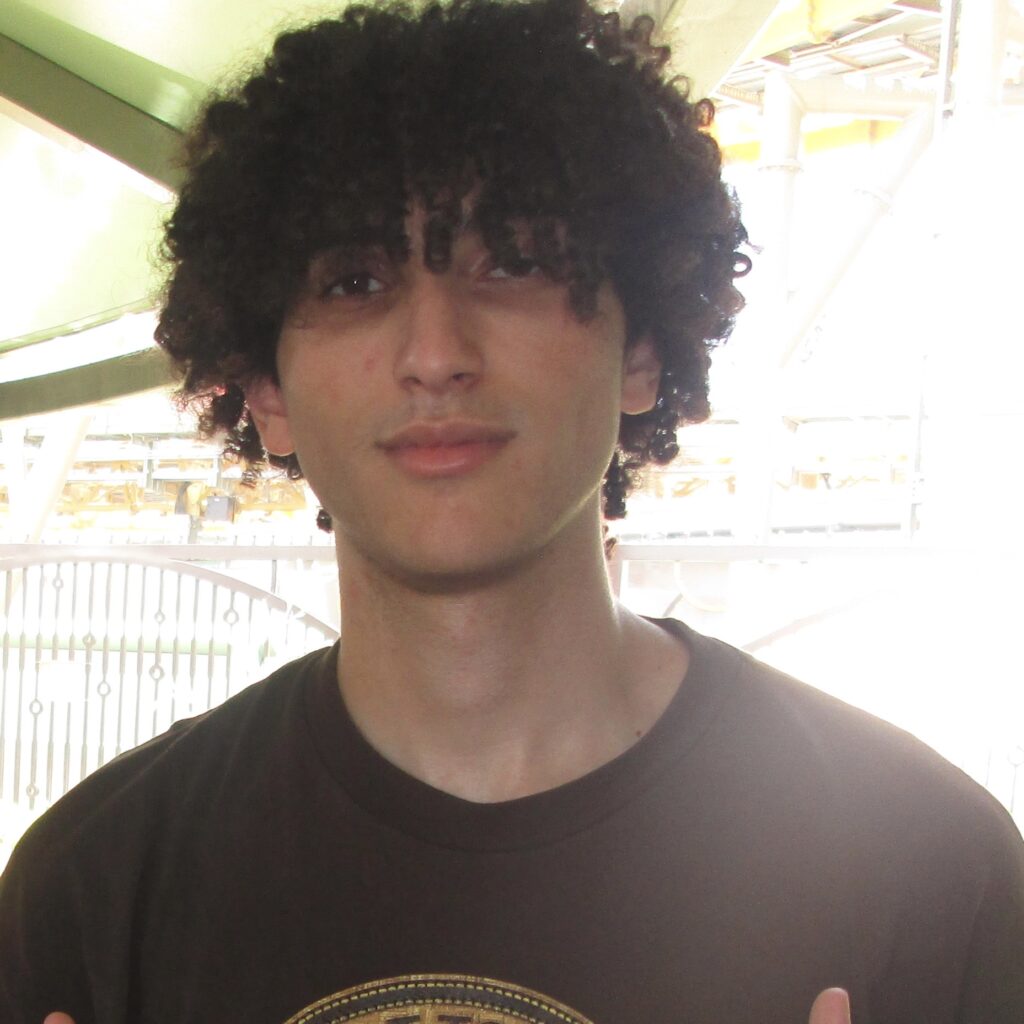
My name is Saif Ahmed; I am currently a sophomore neuroscience major at Temple University. I’m currently an undergraduate researcher in Dr. Chen’s lab, and I intend to gain hands-on research experience. I joined because I was interested in gaining knowledge on neurodevelopment and genetics in Drosophila. I hope to be in medical school after undergrad and receive my MD.
- Sharmina Rahman (Undergraduate Researcher)
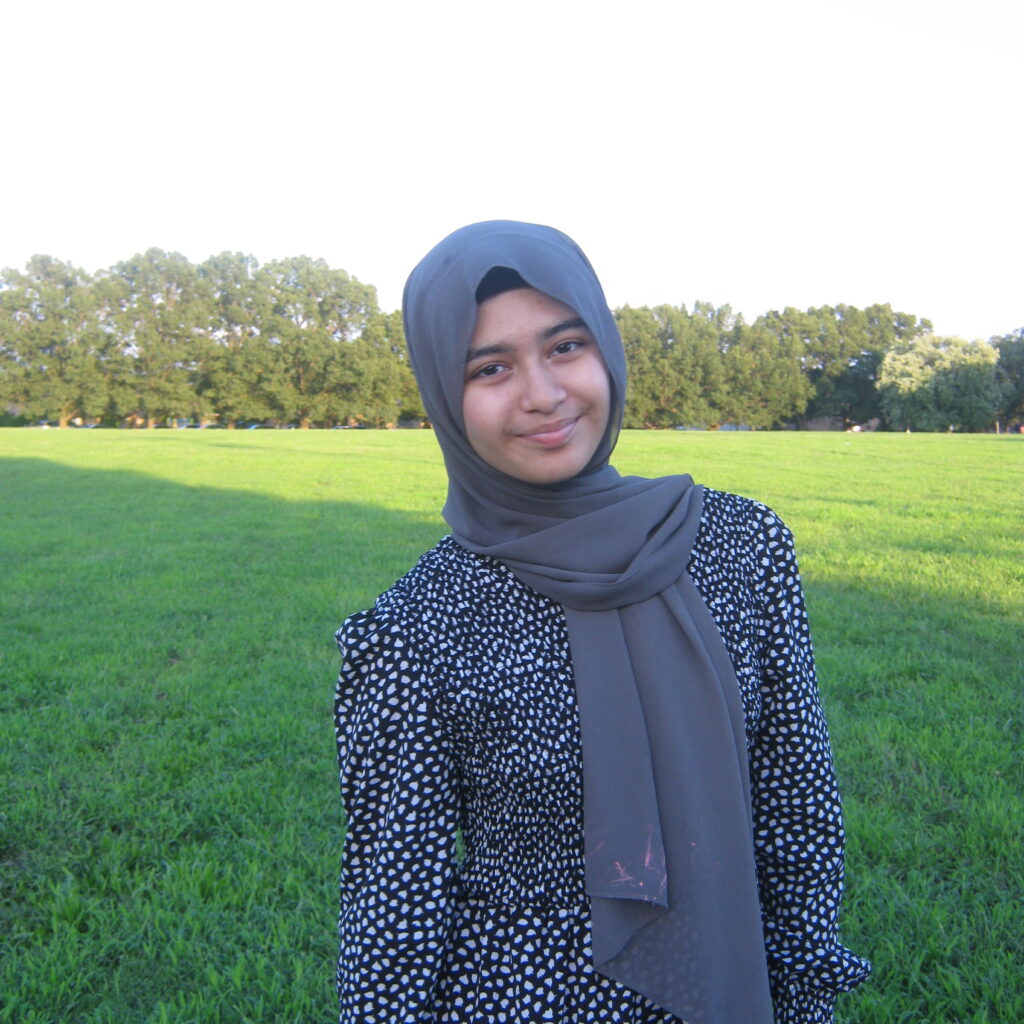
My name is Sharmina Rahman. I am a freshman majoring in biology in the College of Science and Technology. I joined the Chen lab to gain experience within a lab setting. By partaking in this opportunity, I hope to gain valuable skills and experience in conducting research on synaptic connections that will further assist me with my future endeavors in the research field.
- Yaseen Khalil (Visiting summer undergraduate researcher)
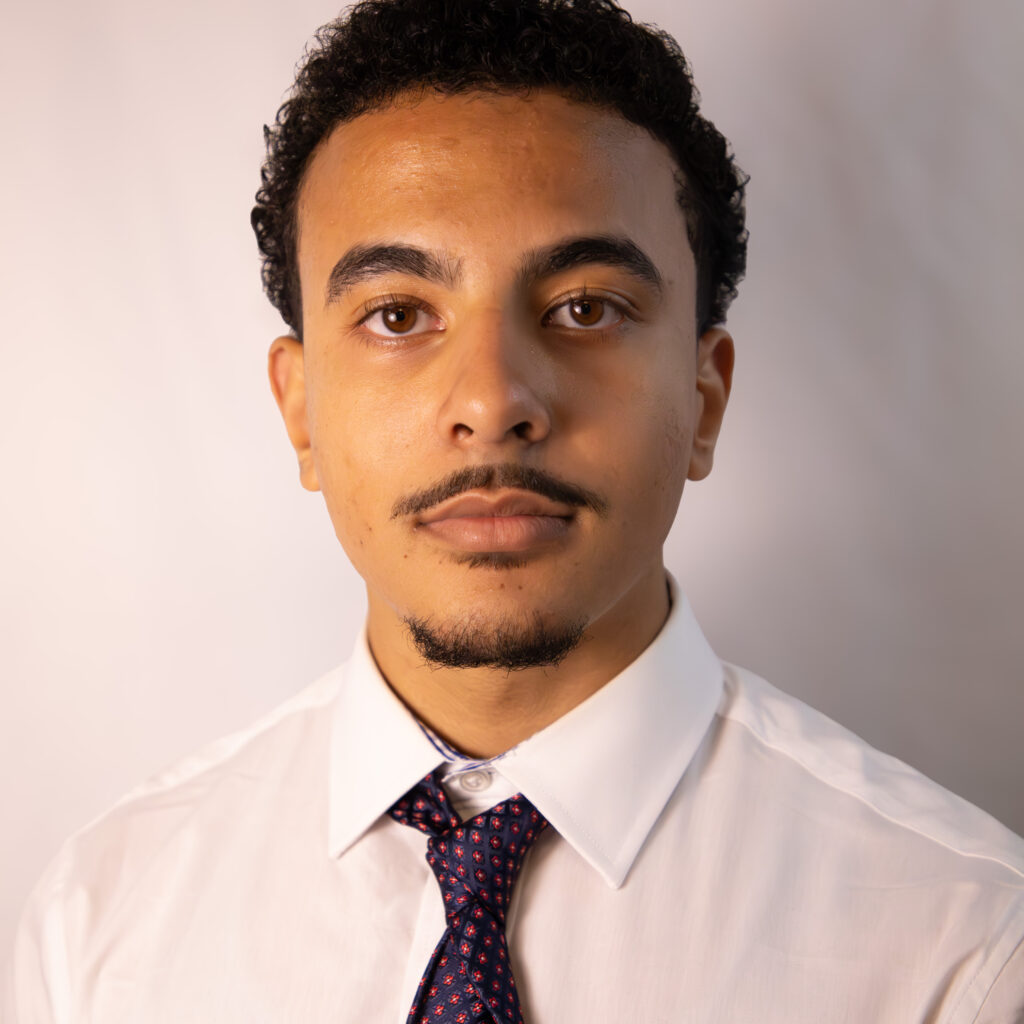
My name is Yaseen Khalil, and I am a rising junior at Virginia Tech pursuing a degree in Computational Modeling and Data Analytics (CMDA) with minors in Mathematics and Computer Science. My interests lie in machine learning, discrete network dynamics, and statistical analysis. I love analyzing complex system dynamics and validating structural or transition mechanics within high-dimensional networks. In this lab, I am eager to apply these approaches to unpack complex systems and optimize data workflows. Looking ahead, I plan to use this experience to pursue a PhD or an R&D role in industry dedicated to solving high-dimensional computational problems.
Chen lab alumni
- Katelyn Porrecca (Undergraduate Researcher) Time in the lab 2025-2026
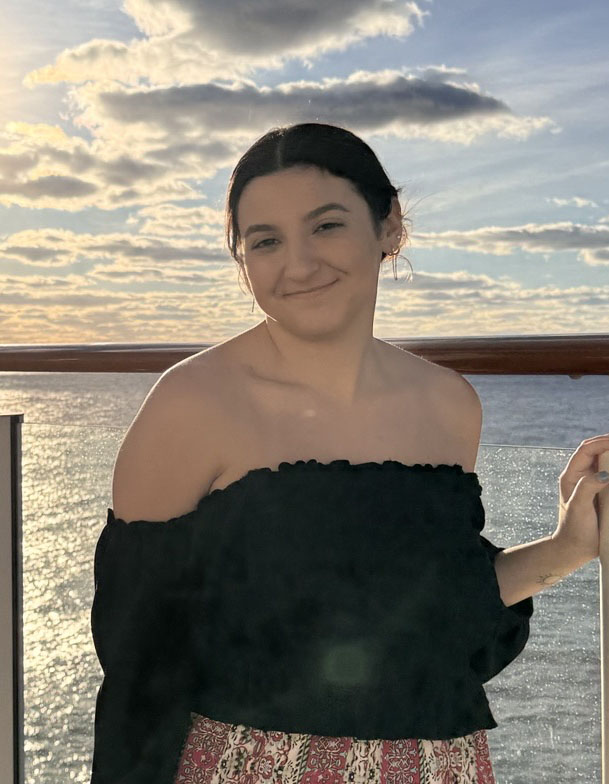
My name is Katelyn Porrecca, and I’m an undergraduate biology major at Temple University, where I am also enrolled in the accelerated +1 program to earn a professional science master’s degree in bioinnovation. I joined the Yu-Chieh David Chen Lab in 2025, working under the mentorship of Dr. David Chen. My research focuses on developing cost-effective approaches for using genetic tools in Drosophila to study the molecular mechanisms underlying neuronal function. Outside of the lab, I work part-time as a pharmacy technician in my local retail pharmacy and as a course assistant for a data science class at Temple University.
You? Interested in joining? See the perspective from my former trainees on their experience working with David in the Desplan lab at NYU
Nathalie Shoji (Next step after leaving the lab: Technician in Dr. Pritha Sen’s lab at Brigham Women’s Hospital; updated in May 2026 for her acceptance to the MD-PhD program at Mount Sinai)
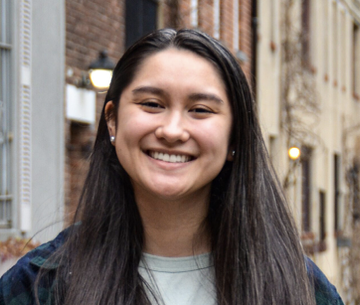
My name is Nathalie Shoji, and I graduated from NYU in 2023 with a BS in Biology and Global Public Health and a minor in Chemistry. I joined the Desplan lab in 2021 and worked under David’s mentorship for two years. Our project focused on using the split-GAL4 UAS system to develop cell-type-specific genetic tools for neurobiology research across development in the Drosophila optic lobe. In my time working with David I was able to present my research at several conferences and write a thesis during my senior year, for which I won NYU’s Albert Borgman prize for top honors thesis in the sciences.
I could not have imagined a better mentor than David, especially for someone like myself who had never worked in research before. He was an excellent teacher and made sure that I always understood not only what we were doing, but the relevant scientific background of every tool, methodology, and dataset that we used along the way. He encouraged us to ask questions and be honest about what we didn’t understand, and as a result I felt a lot of ownership over my own research and confidence in my ability to present it to others. David was a very present mentor, always making time to meet individually even during busy times and available to help troubleshoot or provide assistance. He sought out opportunities for his mentees like grants and conferences that I would have never known about and taught me how to effectively communicate complex scientific research to a broad audience. These skills were not only useful as an undergraduate researcher but have come up time and time again in roles both in and out of research.
David was also incredibly supportive of his mentees’ broader academic and career goals beyond the lab. He was open about the fact that research does not have to be for everyone, and this openness allowed me to think critically about my experiences and made me more confident in my ultimate decision that research is something I enjoy and want to continue to pursue. He encouraged work-life balance and was always considerate of what was going on in our lives outside the lab like finals or application deadlines. Working with David provided insight into what it is like to have a career in research, and he set an example for what a good mentor and a kind and supportive lab environment can look like. I would highly recommend his lab to anyone who is passionate about research, looking for an opportunity to learn, and interested in becoming a better scientist.
Gustave Li (Next step after leaving the lab: PhD student at Caltech)

“My name is Hongzhou Gustave Li, and I majored in neuroscience at NYU Shanghai. I joined the Desplan lab as an undergraduate research volunteer during my junior study-away year and have been directly mentored by David since then. In the lab, I worked on developing a genetic crossing scheme to generate cell-type-specific tools targeting individual Drosophilaneuronal cell types, including the optic lobe neurons and doublesex+ neurons.
It was an incredible experience working at David’s group. His guidance and support were invaluable to me. First, David is passionate about his research and very accessible to his lab members. Anytime I had problems with the project design or the detailed experimental procedures, David responded promptly, and he is very good at explaining challenging ideas to his mentees. Secondly, David trusts his lab members and assigns different mini-projects to each of us. In this way, I got the opportunity to think critically and work independently to contribute meaningfully to the project. Under his guidance, I built a solid foundation in fly genetics and neurobiology.
In addition to research, David cares a lot about my personal growth as a scientist. He has been instrumental in helping me develop my academic skill sets, including reading scientific papers, oral presentations, and academic writing skills. David held weekly journal club sessions on fly genetics. This opportunity not only deepened my understanding of the research topic but also honed my academic reading skills. Furthermore, David invested his time in teaching me the principles of scholarly presentation and academic writing during our one-on-one meetings, and provided constructive feedback on all my writing works. With his dedication and patience, I have published our work on STAR Protocols as a co-first author and presented our research at multiple conferences, winning the Best Poster Presentation in the Developmental Biology and Genetics Section at the Annual Biomedical Research Conference for Minoritized Scientists (ABRCMS).
Finally, David builds a supportive and positive lab environment for his lab members. He never pushed me on experiments or let me work late at the lab, ensuring I maintained a healthy work-life balance. Additionally, he encourages senior lab members to help newcomers, a tradition from which I greatly benefited and proudly passed down to mentor students who joined the lab after me.
Looking back, David is a wonderful mentor who deeply cares about his students. I am immensely grateful for David’s guidance and support during my time in his group, which is pivotal in my success in being admitted into my dream PhD program in neurobiology at Caltech. I highly recommend David’s lab to people seeking a supportive and enriching research experience. I am confident that anyone who has the privilege of working with him will benefit greatly from his guidance and mentorship, just as I had.”
April Li (Next step after leaving the lab: PhD student at Icahn School of Medicine at Mount Sinai)

“My name is April Li, and I graduated from NYU College of Arts and Sciences in Spring 2024 with a major in Biology and a minor in Chemistry. I will be a first-year PhD student at the Icahn School of Medicine at Mount Sinai in the Fall of 2024. I started working in the Desplan lab in the Summer of 2022, with David as my direct mentor. I feel very fortunate to have joined David’s team and appreciate all the guidance and support I have received from him.
David is a wonderful mentor and an outstanding teacher. David used to work as our Molecular Cell Biology recitation instructor, and he was very approachable and explained things very well. After I joined his team, I benefited greatly from his excellent teaching skills. He explained difficult concepts clearly, which has been tremendously helpful throughout my research experience in the Desplan Lab. With his guidance, I was able to work independently on my project and started to think critically shortly after I joined the lab. Collaborating with another undergraduate student on our team, I worked on designing crossing schemes to develop a protocol for generating cost-effective genetic tools for Drosophila. With David’s support, we were able to write and publish our first scientific paper in Star Protocols in December 2023.
David cares deeply about his mentees’ individual growth. During my junior year, I felt very lost about my plans after college and hoped to discuss them with David. He was willing to sit down with me for hours and provide constructive advice, which helped me a lot. I was able to think about my career options more thoroughly and started to connect with people in the field early on. He also cares about his mentees’ goals and supports us in achieving them. For his mentees who were working on honor thesis, he held weekly meetings to discuss our progress and provide feedback on our projects and writing. During the summer, he organized weekly journal clubs to teach us how to read and understand papers related to our projects. Additionally, he always kept an eye out for potential resources that his mentees might benefit from. With his encouragement and help, I was able to present my work at the Annual Biomedical Research Conference for Minoritized Scientists (ABRCMS), Developmental Biology New York (DBNY), and NYU undergraduate research conferences. This greatly improved my presentation and communication skills. During my graduate school application period, he sent me useful information to help me better prepare for writing statements and interviews.
I am extremely grateful for having had the opportunity to work with David, who deeply values mentorship and dedicates his time to creating a supportive and positive environment for everyone in the lab. His commitment to fostering a collaborative and nurturing atmosphere has been instrumental in my academic and personal growth. David’s guidance extends beyond just the technical aspects of research; he also encourages us to develop critical thinking skills, resilience, and confidence in our abilities. I would highly recommend David’s lab to anyone looking for a supportive environment to explore science and grow to their full potential. David’s dedication to his mentees’ success is unparalleled, and his lab will provide an enriching experience for all who join.”
Renee Liang (Next step after leaving the lab: gap year in preparing for medical school application)
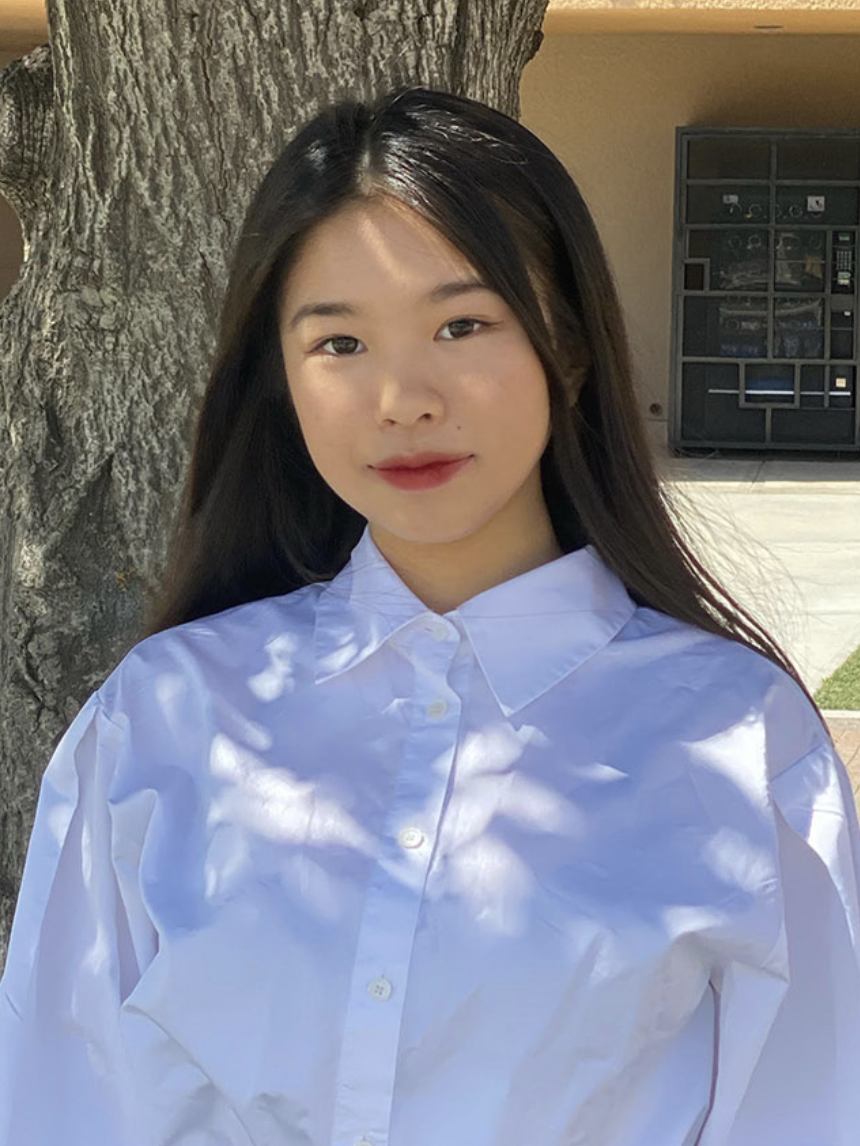
“David is an amazing mentor. As a young undergraduate, navigating both the science and the lab environment in such a large biology lab was intimidating. David eased my anxiety by providing invaluable guidance and creating a safe and fostering learning environment through building a supportive undergraduate student group. He encouraged us to work collaboratively and learn from each other, which are skills essential for our future careers. Furthermore, David’s goal-oriented nature taught us how to execute an experimental plan and obtain results efficiently.
I really appreciate David’s openness and honesty in sharing his scientific journey; his presence is essential in guiding my journey in science and he equipped us with all the necessary knowledge and tools required for success.His mentorship extended beyond science, teaching us valuable life lessons. David, thank you so much for sharing your knowledge and experiences with us!”